


The Blog
The Blog
Go behind the scenes of my multi-million view digital magazine empire with tips to help you start your own.
Read Now →

August 2, 2026
Magazines Are Having a Renaissance Right Now— Here’s Why
Magazines are having a moment and I am HERE FOR IT. As I have been for the last 15 years.
Back when I started my first magazine in 2011, digital magazines were just starting to emerge. I didn’t think anyone would read the first issue besides maybe my mom. But much to my surprise, thousands of people read it anyway. Now, that same magazine reaches millions of people every month and our readership has only continued to grow.
So who says magazines are dead? Not me. Never me.
I know, you’ve heard that same “magazines are dead” narrative over and over again. It’s been the dominant story for over a decade— and I’ve been in magazines that entire time (longer, actually).
You’ve heard that digital killed attention, social media gutted budgets, nobody wants to pay for paper anymore when everything can be found for free online. But that story was always too easy. Too convenient. It let an entire industry off the hook for decisions that had nothing to do with readers and everything to do with short-term thinking.
Here’s the truth: magazines never died. And now, everyone is running back.
Magazine Aren’t Dying. They Never Did.
Let’s start with the numbers because they’re hard to argue with. 86% of US adults—AKA 223 million people—read a magazine in the last six months. That’s print and digital combined, in the “age of short attention spans.” The people who supposedly don’t read anymore somehow own stacks of magazines and have tabs of digital publications open on their laptops.
And it’s not a niche demographic either. The readership cuts across every group — 85% of white adults, 86% of Hispanic adults, 87% of Black adults, 90% of Asian-American adults read at least one magazine in the past six months. This is a universal behavior, not a nostalgia trip for a specific generation.
Even the Big Names Are Coming Back
SAVEUR stopped print in 2020 and came back in 2024. SPIN hadn’t published a print edition since 2012 and they came back in 2024 with quarterly issues. LIFE magazine, one of the giants of the twentieth century, announced its return to newsstands after closing its print edition in 2008. Field & Stream returned to print after years of digital-only issues. i-D came back to shelves in 2025.
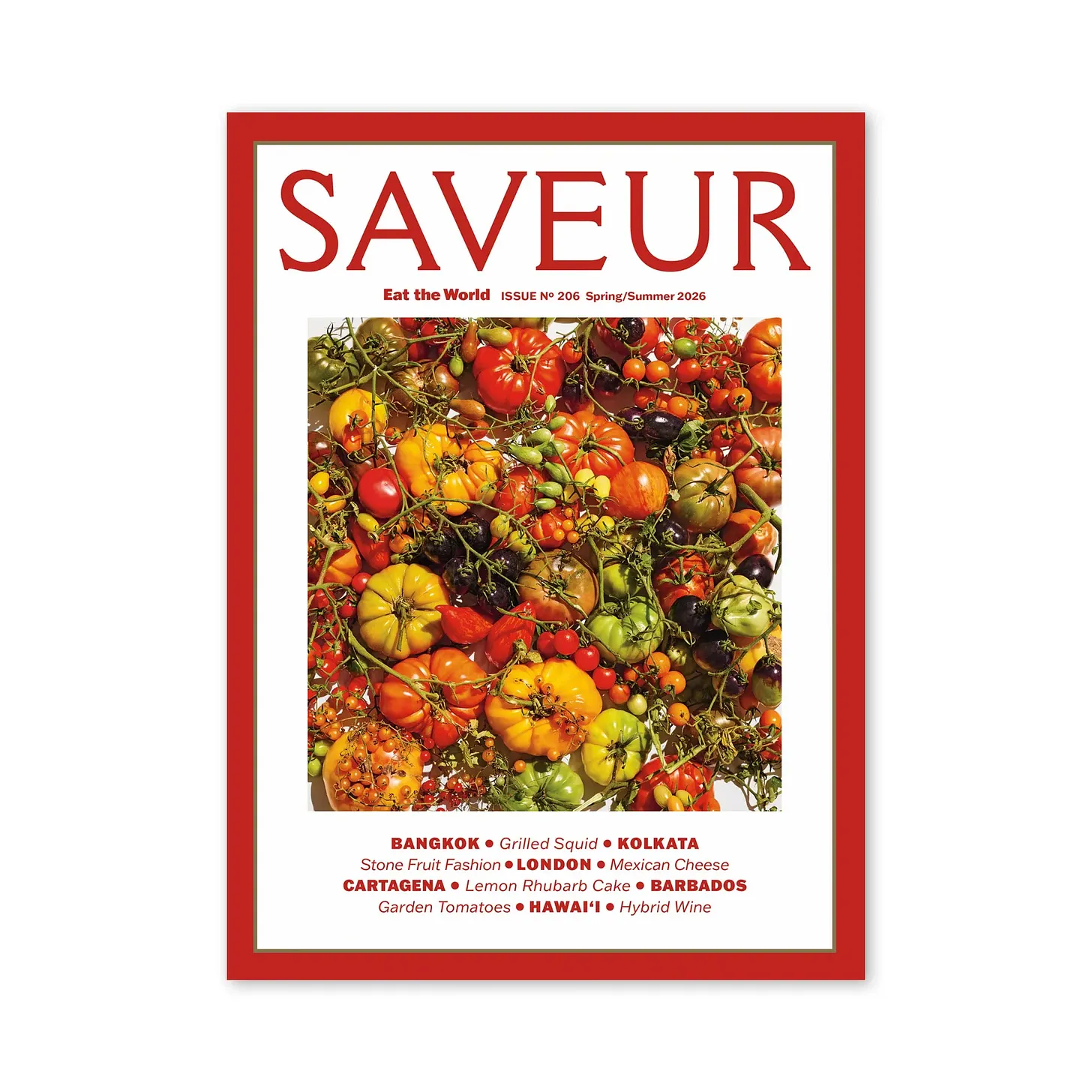
These aren’t small indie titles making a scrappy comeback. These are major publishers who had the resources to go fully digital, did exactly that, and then reversed course. They’re not doing it because of nostalgia. They’re doing it because the audience never left and because print does something that no algorithm can replicate. It signals that what you made is worth holding onto.
People Are Craving It
Here’s what nobody talks about enough: we are exhausted by screens. During the pandemic, one in three adults actively tried to cut back on their smartphone and internet use. Every demographic, every age group hit the same wall at the same time, the limit of their own digital tolerance.
And that shift didn’t reverse when the world reopened. If anything, it accelerated. Screen fatigue is now a wellness conversation. Digital detox retreats charge thousands of dollars to give people what a magazine delivers for the price of a latte: presence, slowness, and the experience of finishing something. You can’t swipe a magazine away. You can’t skim it without noticing what you’re missing. There’s a reason 77% of adults feel positive when reading magazines— much, much higher than social media.
A magazine, digital or print, offers something no algorithm can manufacture. Intentionality. The sense that someone made something, rather than generated it.
If you caught Gary Vee’s YouTube video this week, you’ll note he said something particularly jarring, but true. The world is about to become a barbell— with extreme technology and AI on one side and old school, 1950’s on the other side. “As the world goes more AI, analog will explode,” reads a post on his Instagram feed.
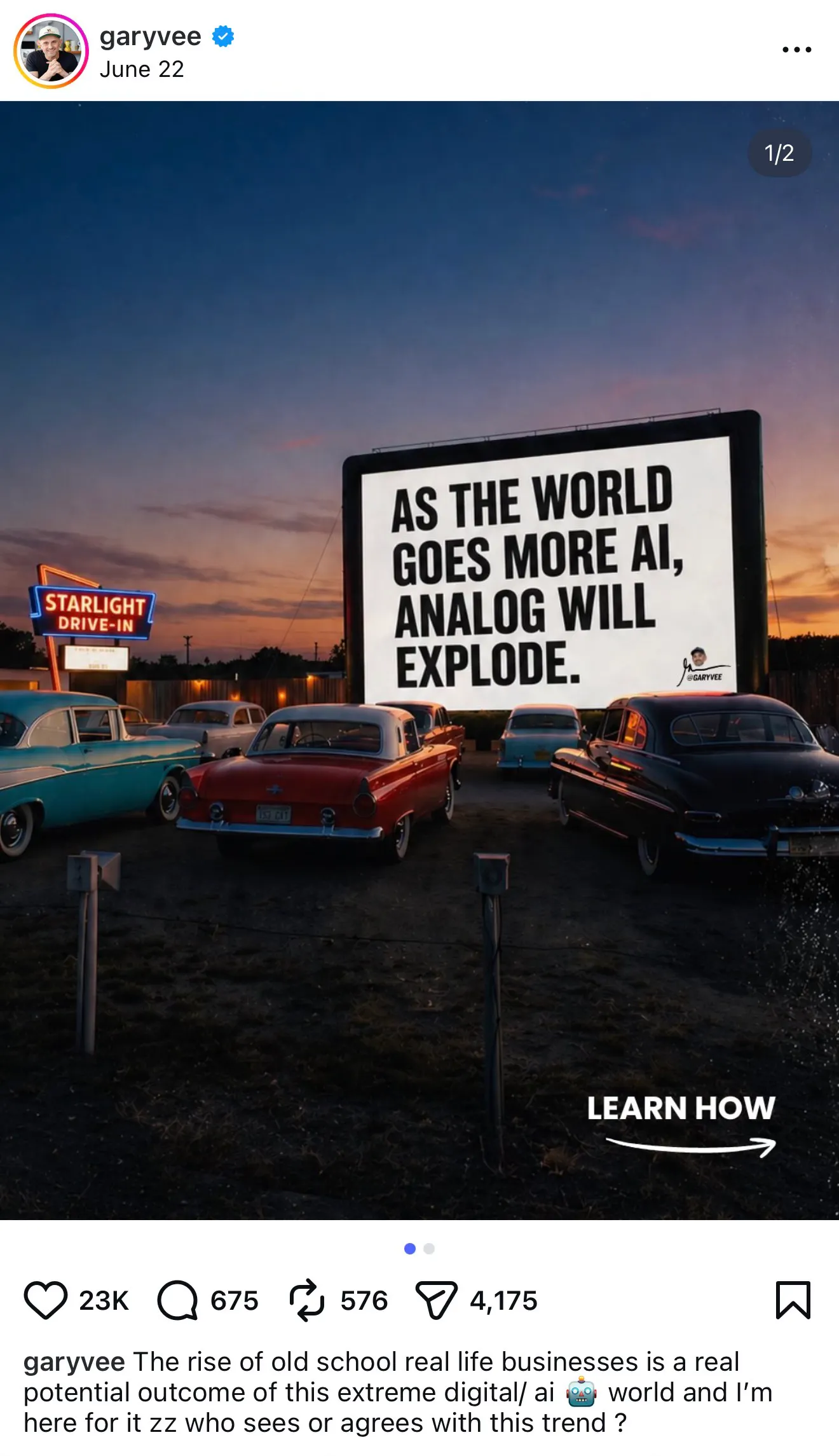
For many people, a return to analog feels like a return to the human experience. A return to real curation, to real stories written by humans about humans. It is no coincidence that magazines are having a renaissance during the rise of AI.
Magazines Aren’t Just Read, They’re Trusted
This is where it gets really interesting for anyone thinking about starting a magazine. Here’s a wild stat: 8 in 10 magazine readers take action after seeing an ad. Not clicking past it, not scrolling through it, but actually doing something as a result of it. That number is almost unheard of anywhere else.
When someone chooses to read a magazine, they bring a different quality of attention to everything inside it. For example, print magazine ads show an average dwell time of more than 20 seconds compared to under 5 seconds for website display ads. People are 35% more likely to buy a product they see in a magazine and the average magazine copy is read by more than 7 people. Magazines offer a reach multiplier to which no social platform can even hold a candle.
In a world drowning in AI-generated content, a magazine signals something that was made with care and intention. That trust doesn’t just benefit advertisers, it benefits you as the person behind the publication.
Gen Z is Leading the Charge
This is the one that stops people in their tracks. 89% of Americans under 25 read at least one magazine in the past six months. 88% of Americans under 35. The generation raised entirely on TikTok, Instagram, and YouTube is actively choosing magazines—both digital and print—in overwhelming numbers.
This isn’t by chance. It’s a response to the exact same forces driving everyone else toward intentional media. Gen Z grew up with infinite content and now they’re searching for something finite. Something that feels like it was made for them rather than optimized for an algorithm. i-D magazine’s return to shelves in 2025 was driven specifically by Gen Z demand. Teenagers who grew up swiping screens are buying magazines like they just discovered oxygen.
Think about what that means for a new magazine founder right now.
Nothing is Stopping You
Indie magazine founders—digital and print—are building loyal audiences and real revenue with nothing more than a laptop and a vision right now. The barrier to entry has never been lower. You don’t need a publishing house, a Manhattan office, or a print run of 10,000 copies. You need a point of view, a reader in mind, and a system for bringing it to life consistently.
The brands and creators who are winning in this space understand something important: a magazine isn’t just a content format. It’s a platform. It builds trust in a way that social media can’t, creates permanence, and signals authority that no number of Instagram posts can manufacture on their own. It’s become a cultural object that outlasts trends, platforms, and algorithm changes.
The timing to start one has genuinely never been better. The audience is there, the appetite is there, and the tools to build one are more accessible than they’ve ever been.
If you’ve been dreaming about launching your own magazine—local, niche, digital, print, whatever’s been living rent free in your head—you don’t have to figure it out alone.
The Editor Academy walks you through everything from idea to design to monetization to launch. It’s the exact system my students have used to build real, revenue-generating magazines from scratch.
This is quite literally go time. You could launch your first issue this year.

